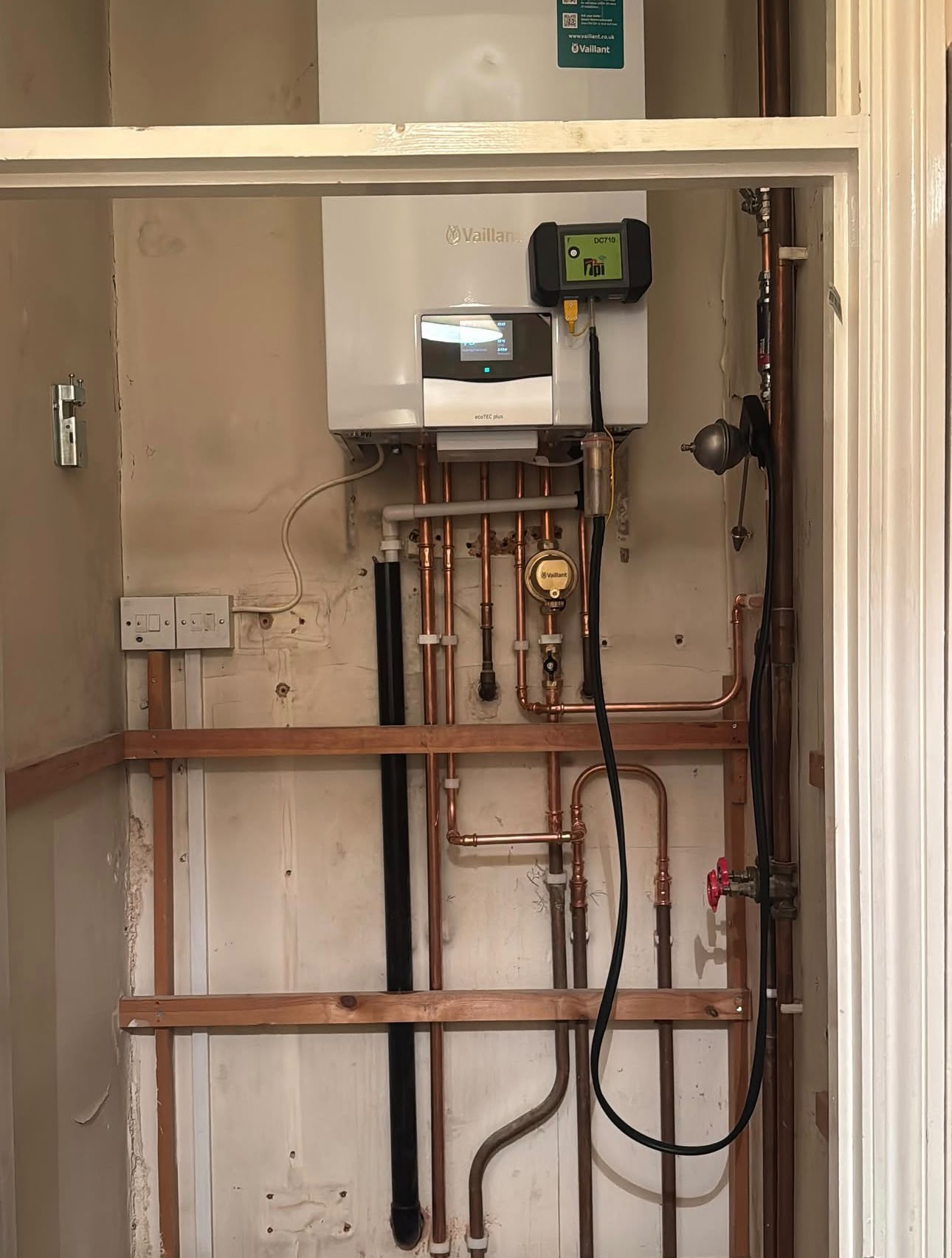
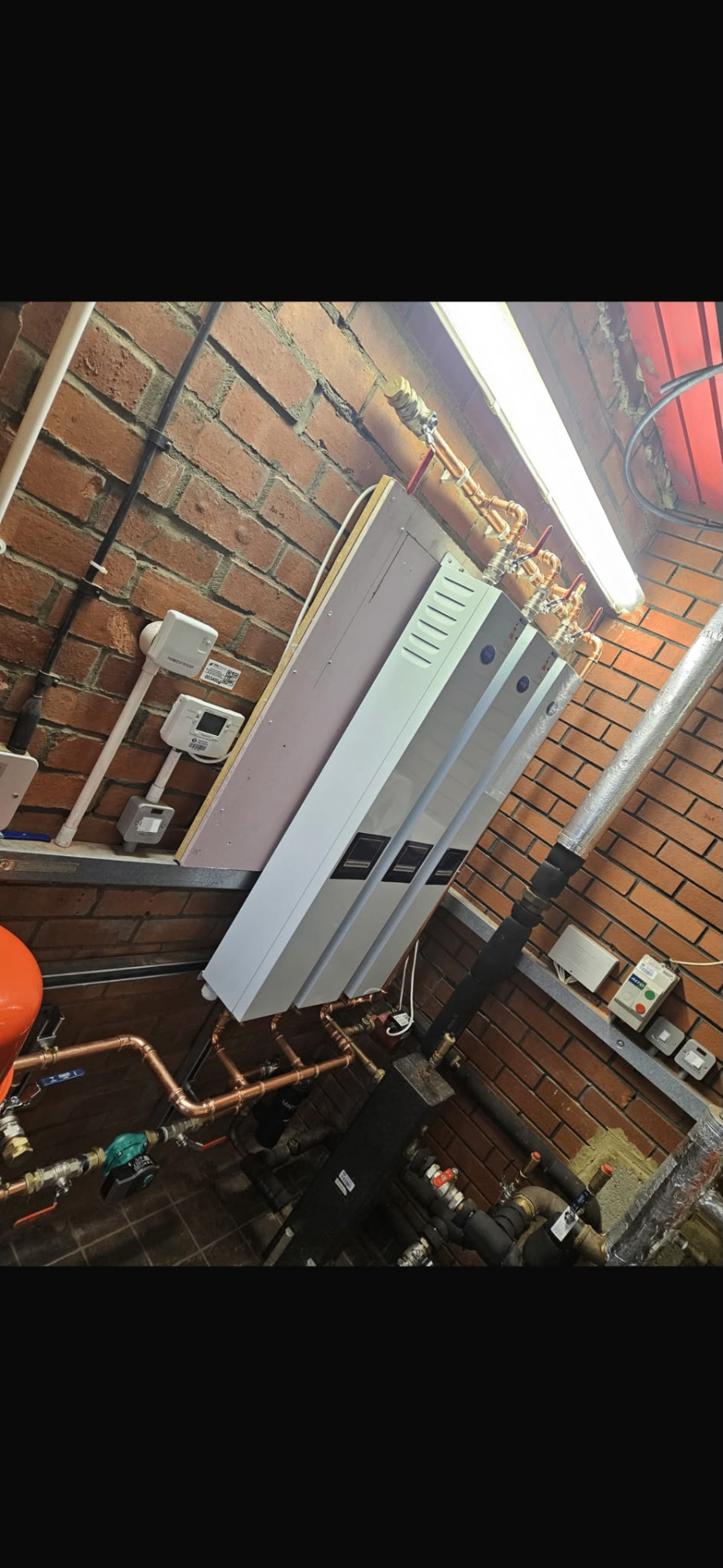
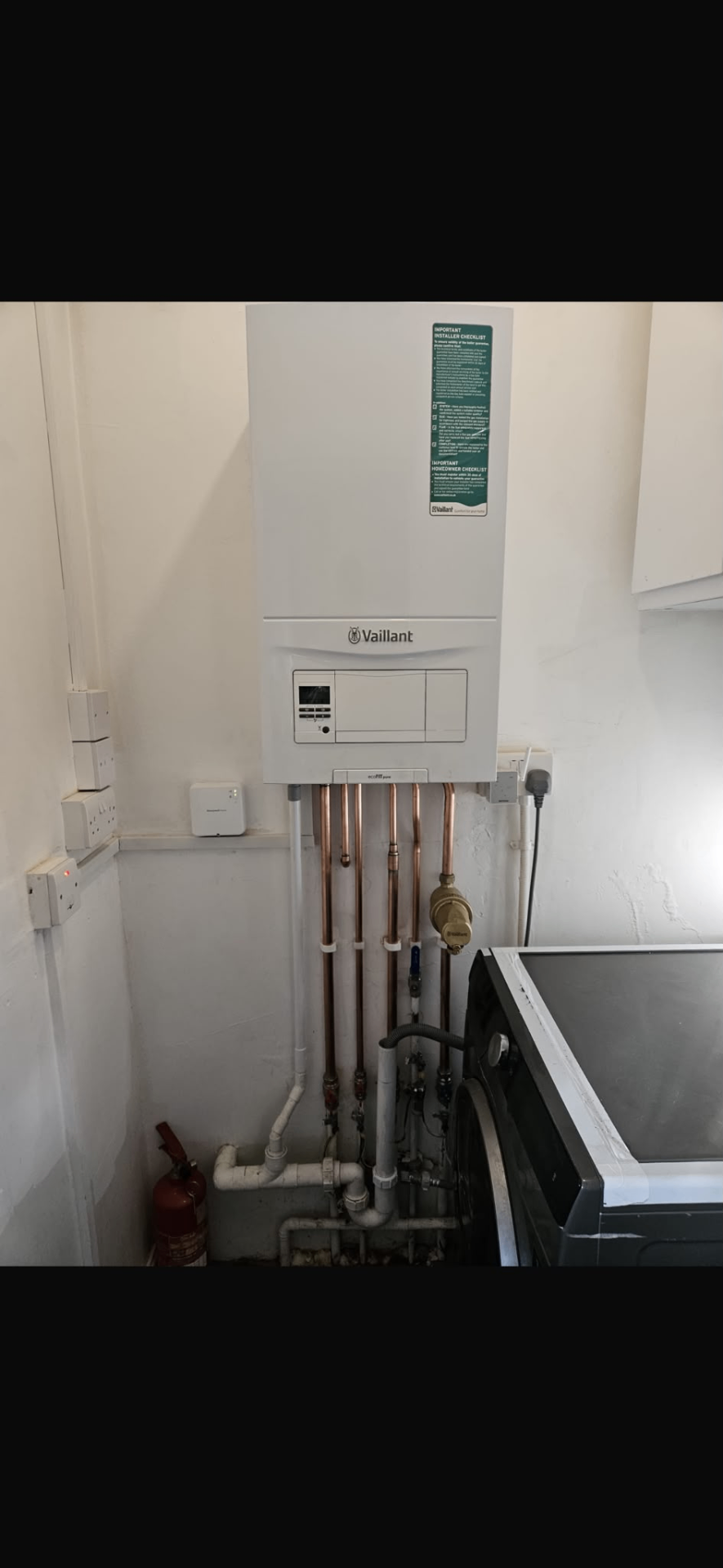
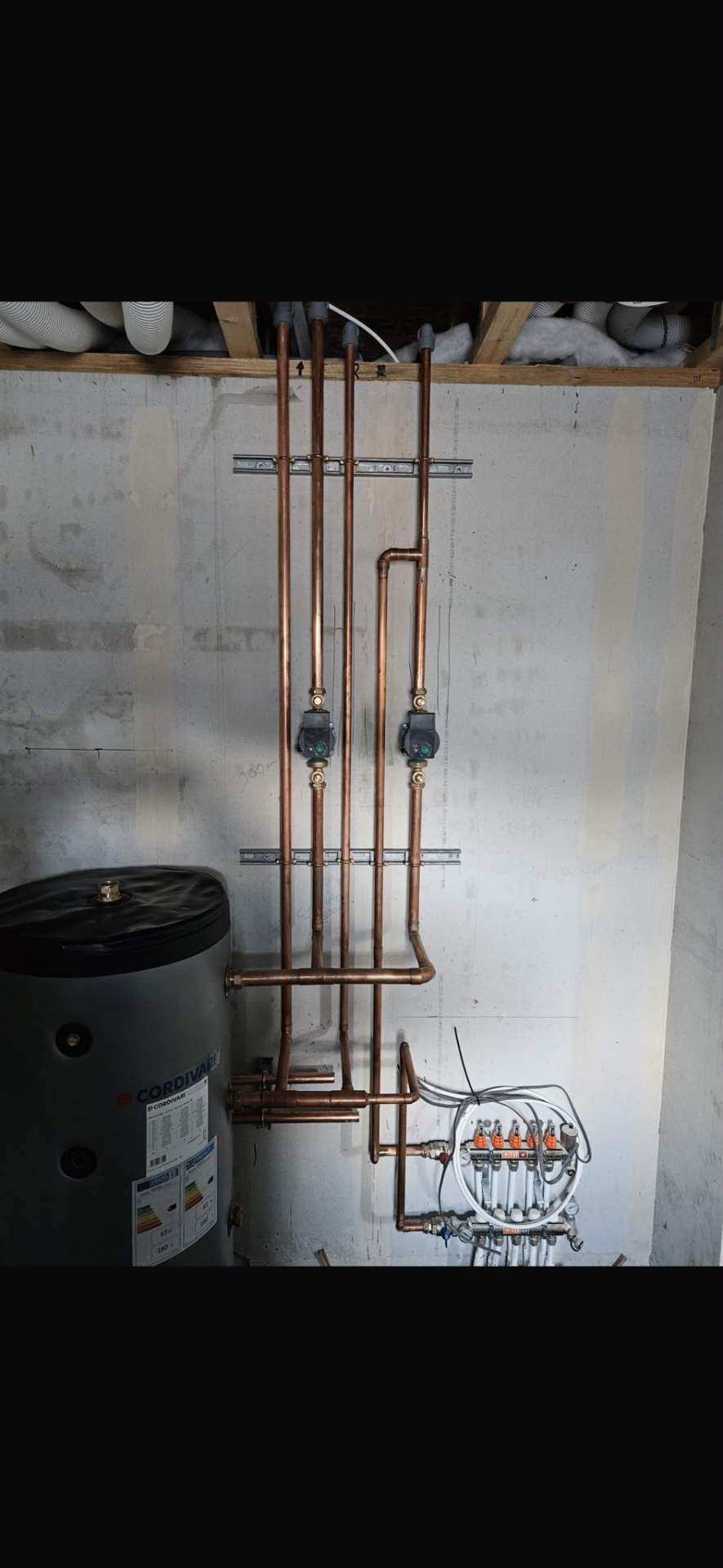
What IGEM/UP/1 actually requires
IGEM/UP/1 is the industry procedure for low-pressure tightness testing of pipework up to 25mm. It defines the test pressure, the stabilisation period, the test duration, the maximum allowable pressure drop, and the calibration requirements for the manometer. A test that skips any of those isn't an IGEM/UP/1 test, it's a guess. UP/1B covers medium-pressure (75 mbar–2 bar) installations and adds a mandatory strength test.
Let-by, the bit most people miss
Before any tightness test, the emergency control valve must be proven to isolate fully. The valve is closed against pressure and held for the let-by period, any pressure rise downstream means the valve isn't seating and must be repaired or replaced before testing continues. A skipped let-by check is the single most common reason a 'passed' tightness test isn't actually valid.
Purging, calculating not guessing
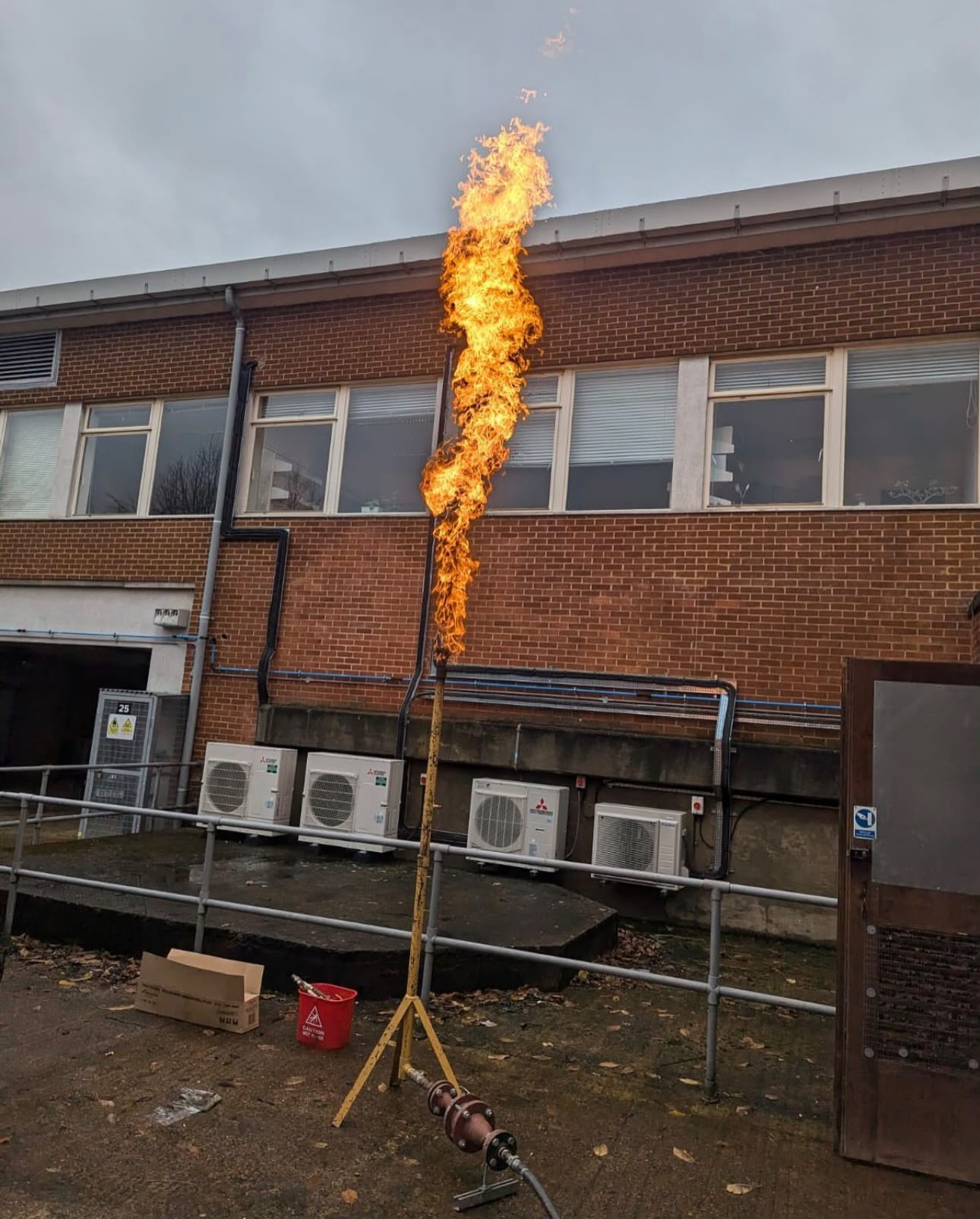
After a new install, pipework alteration or supply reconnection, residual air must be purged. The correct purge volume is calculated against pipe internal volume (litres per metre of pipe ID), with a safety multiplier per IGEM/UP/1. We measure the oxygen content at the end of the purge to confirm the line is gas-clean, and record both the calculated volume and the verified O₂ reading on the certificate.
When you need a fresh test
Any time gas pipework is altered or extended, after a meter swap, after a new appliance install, when a property changes hands and no recent certificate exists, when a landlord re-lets a property, or when an insurer requests current evidence. Old certificates aren't grandfathered against new pipework.
Commercial medium-pressure work
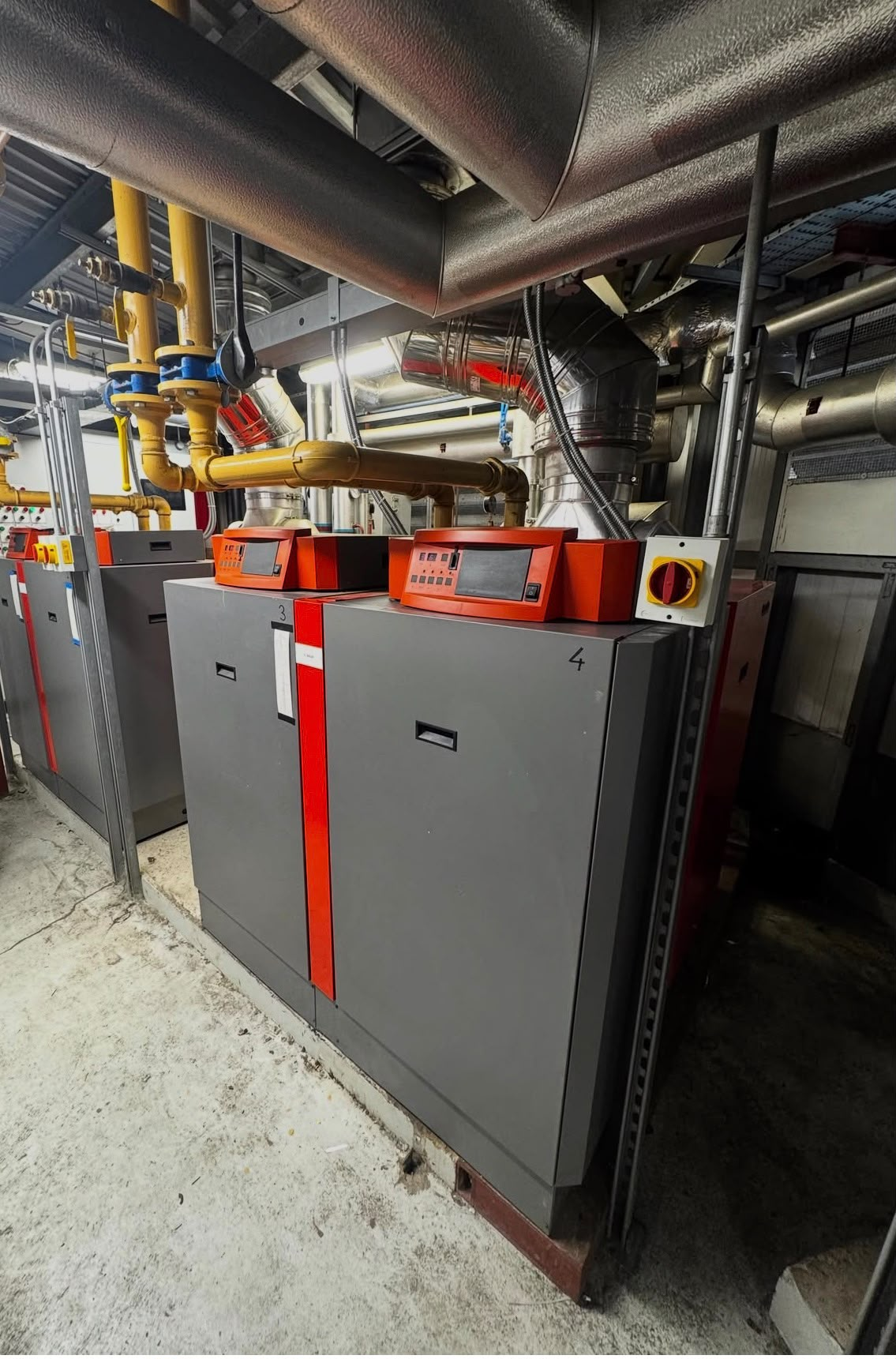
Medium-pressure commercial pipework (75 mbar–2 bar) needs UP/1B testing, with a strength test at 1.5× MOP before the tightness phase, longer stabilisation periods, and tighter allowable drops. We do both on the same visit where the install includes a regulator step-down.