Cascade boilers and why they win
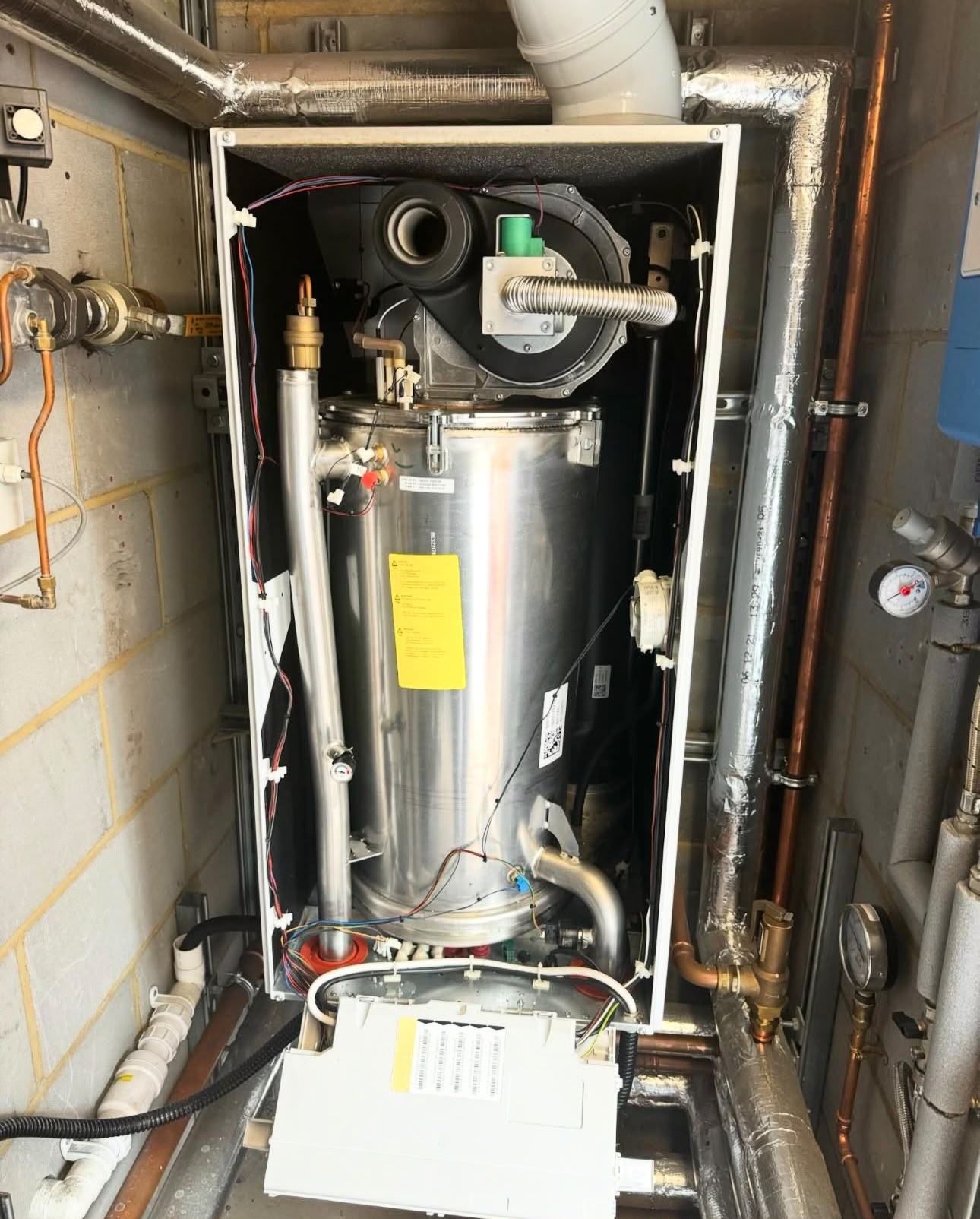
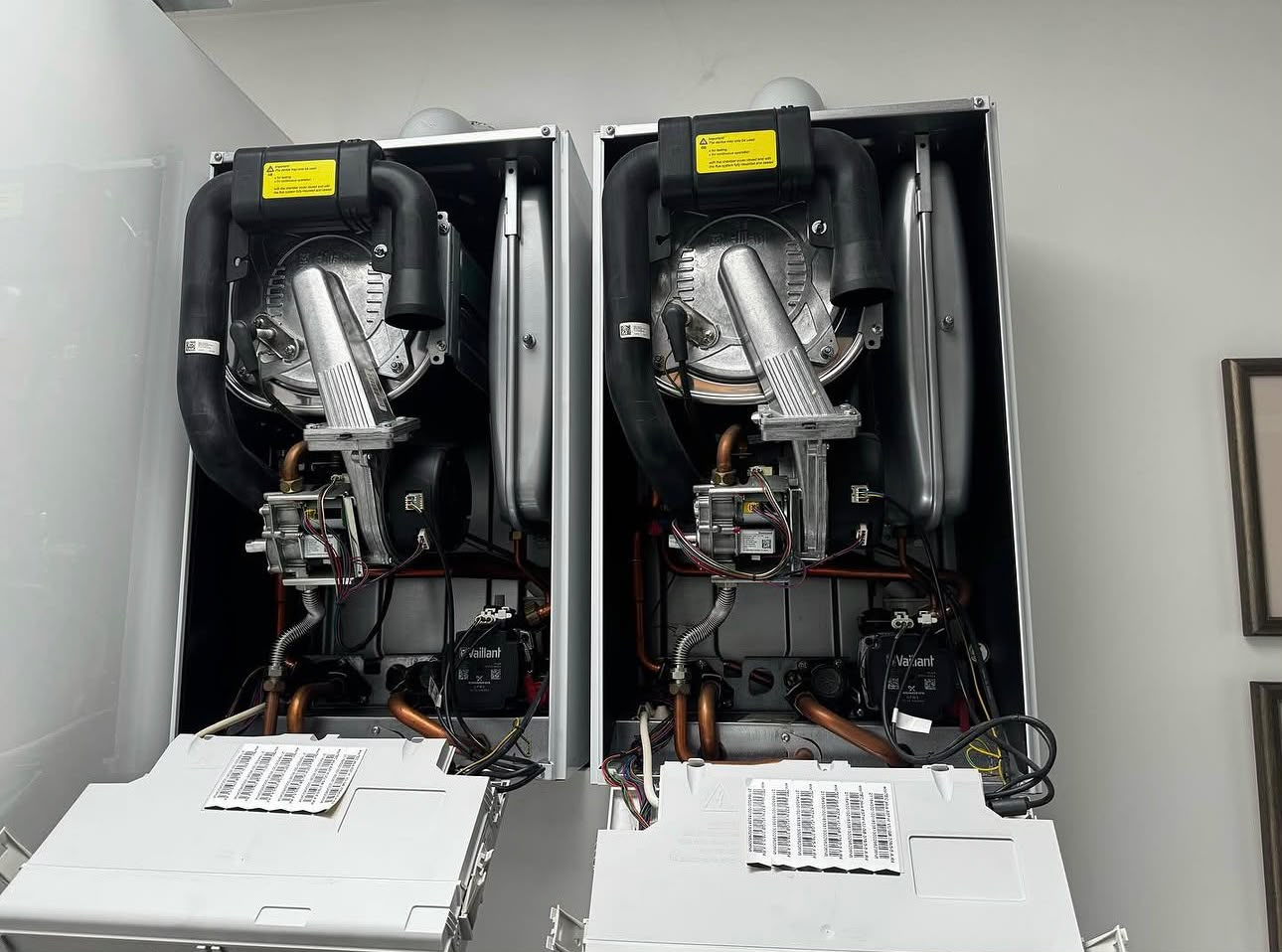
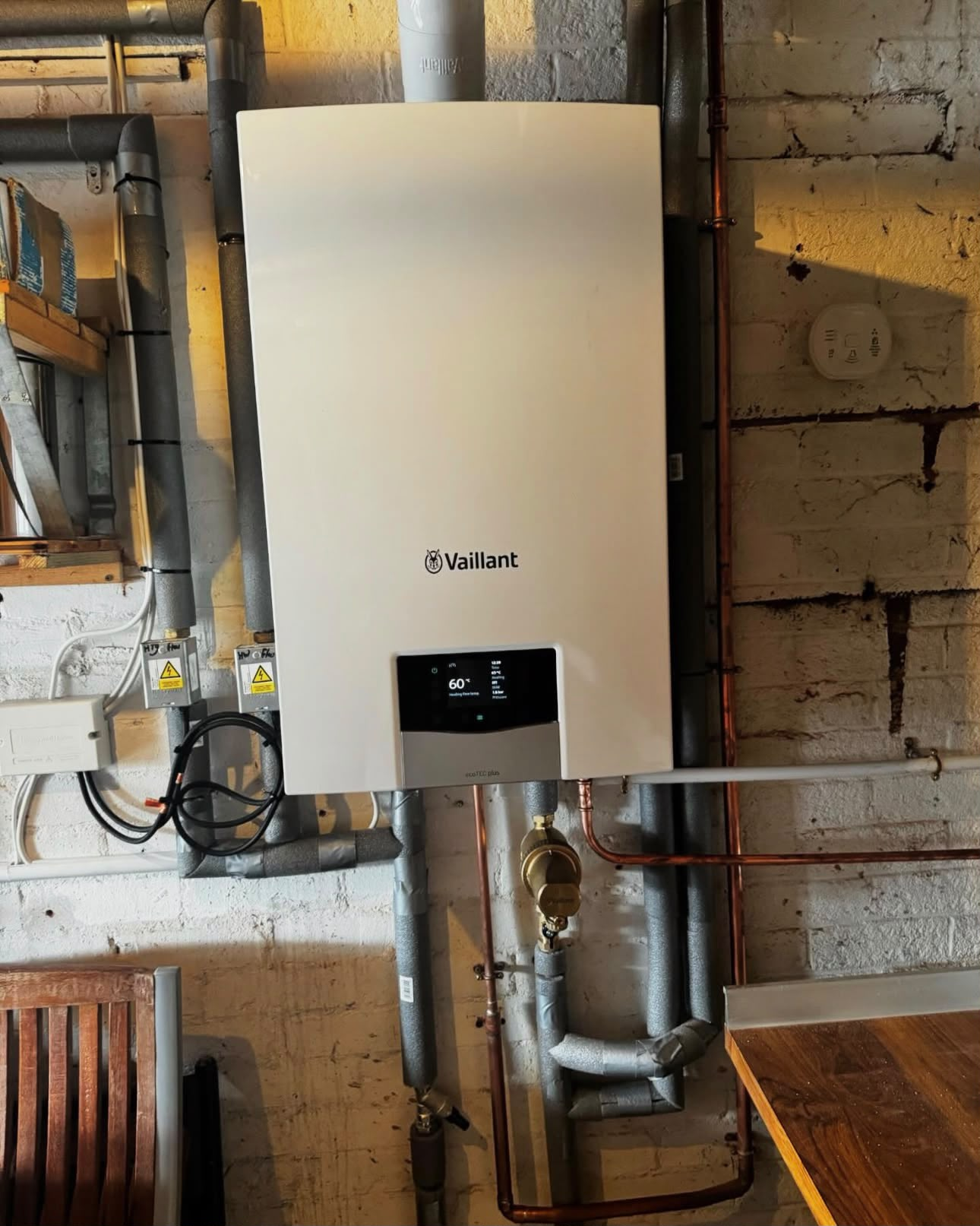
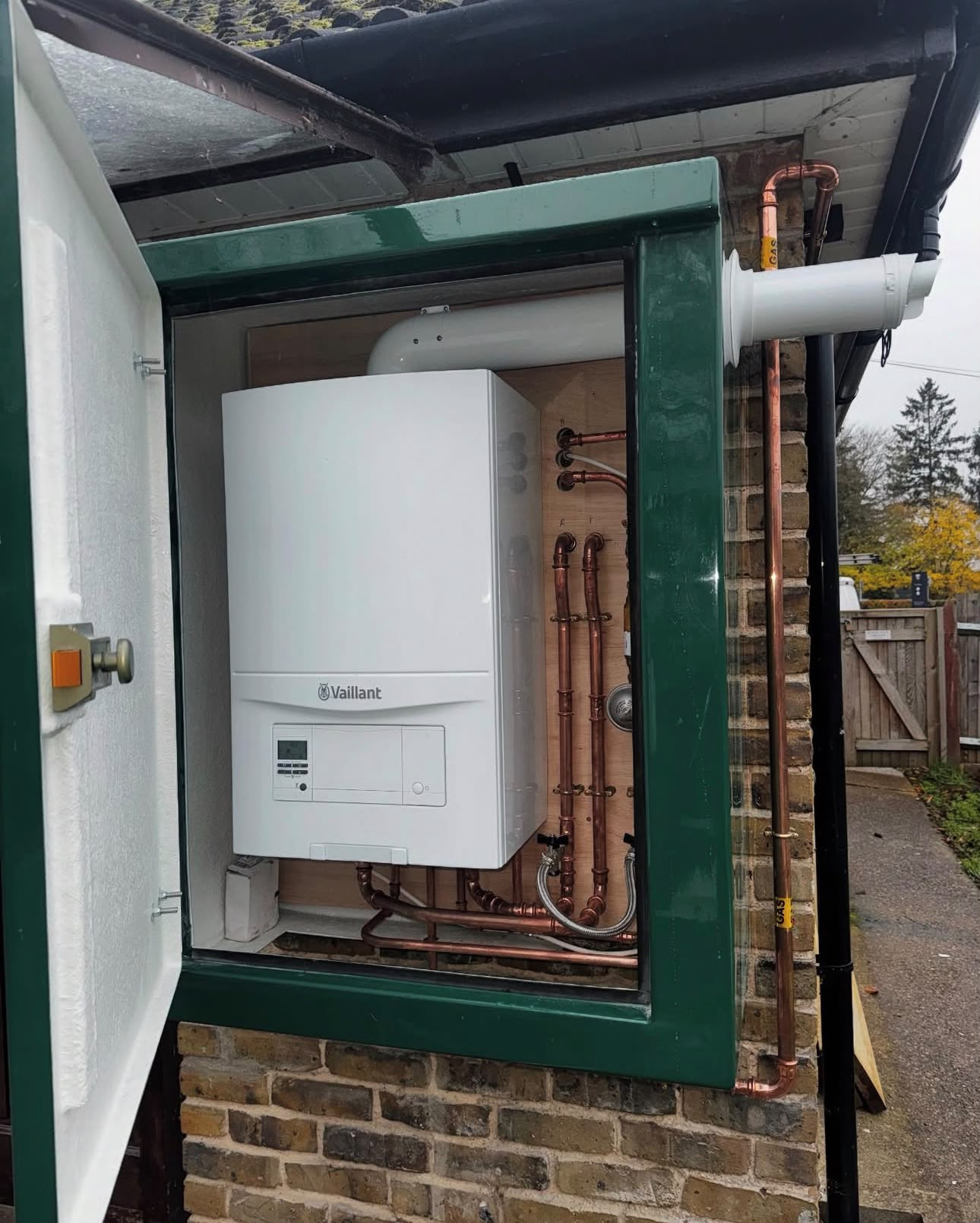
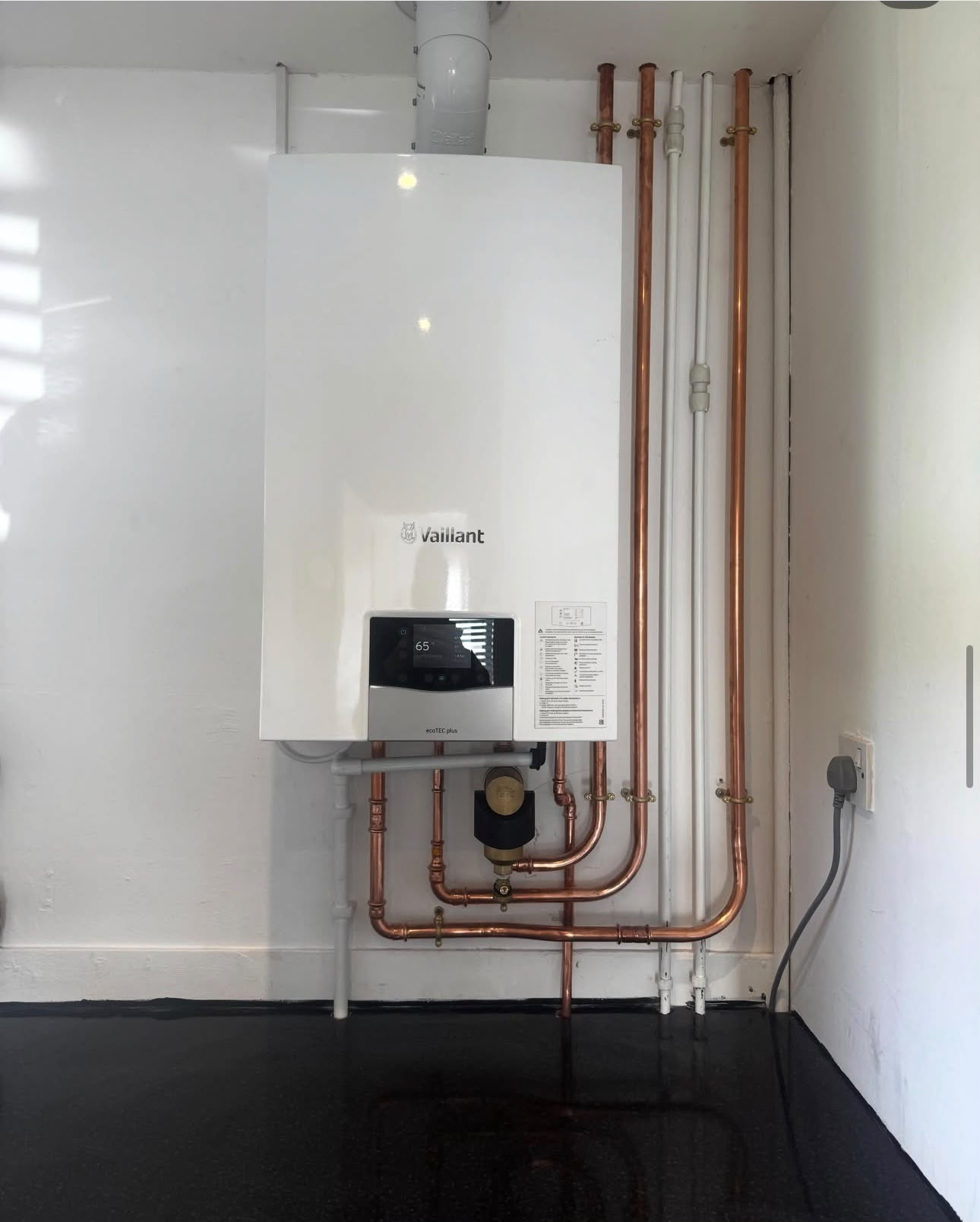
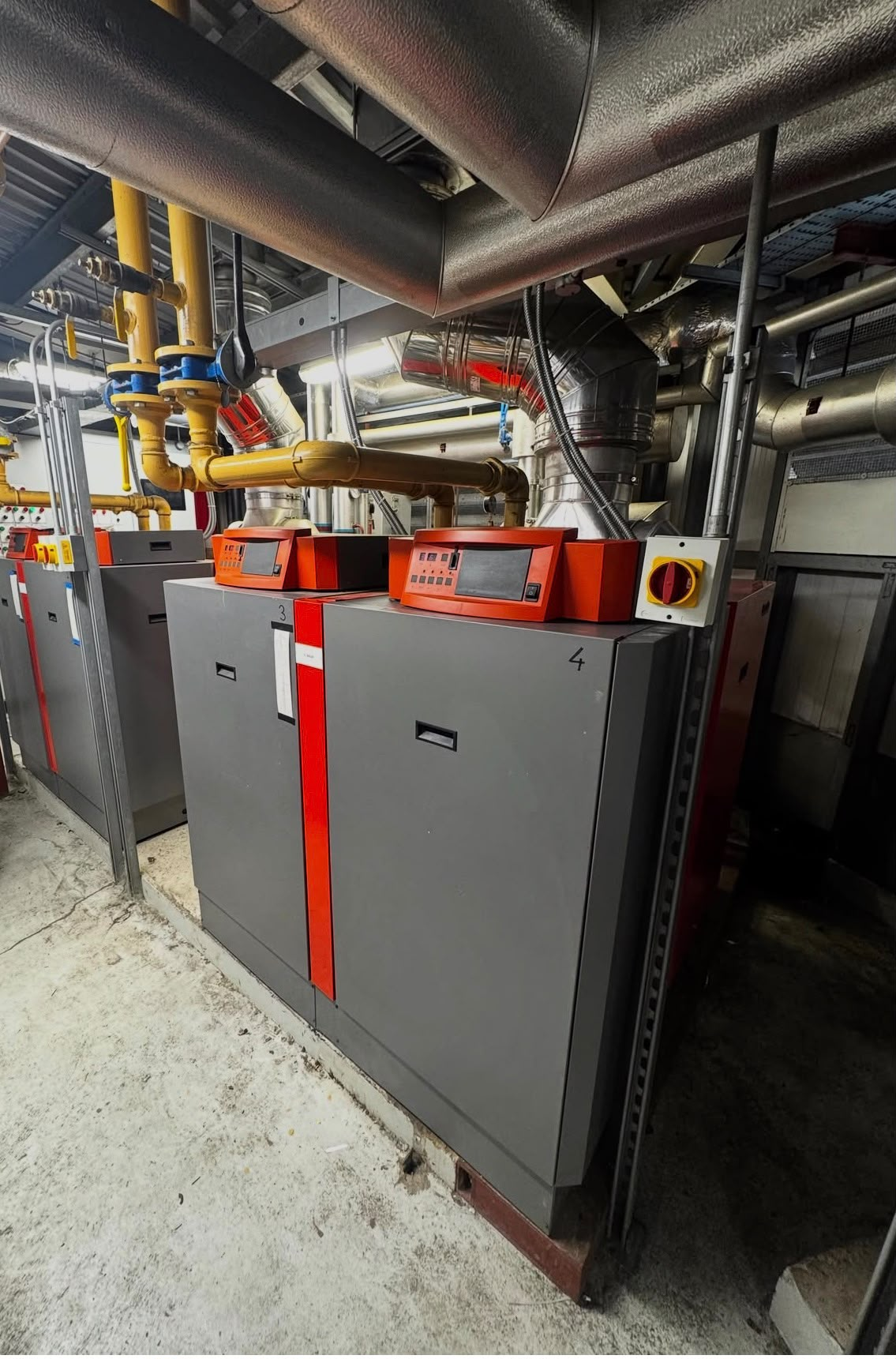
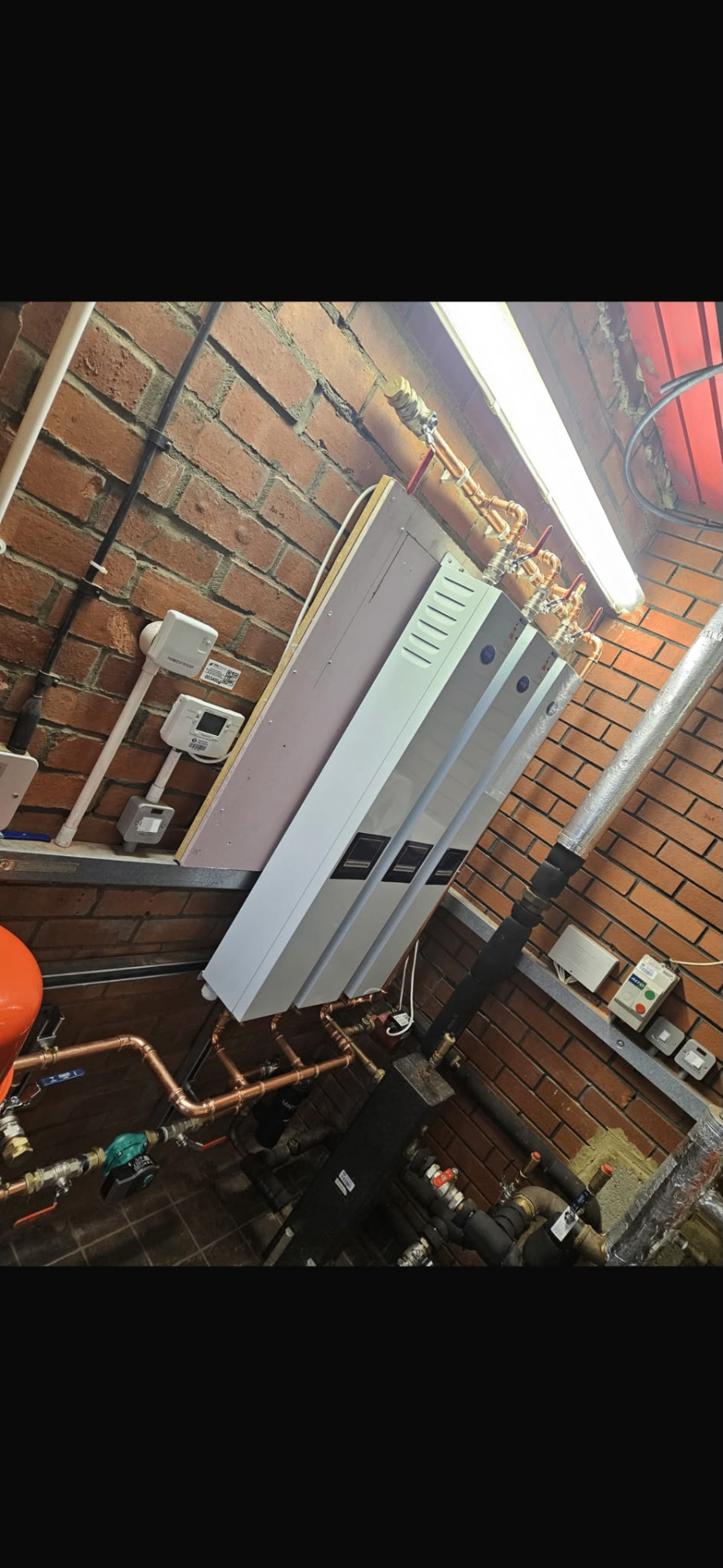
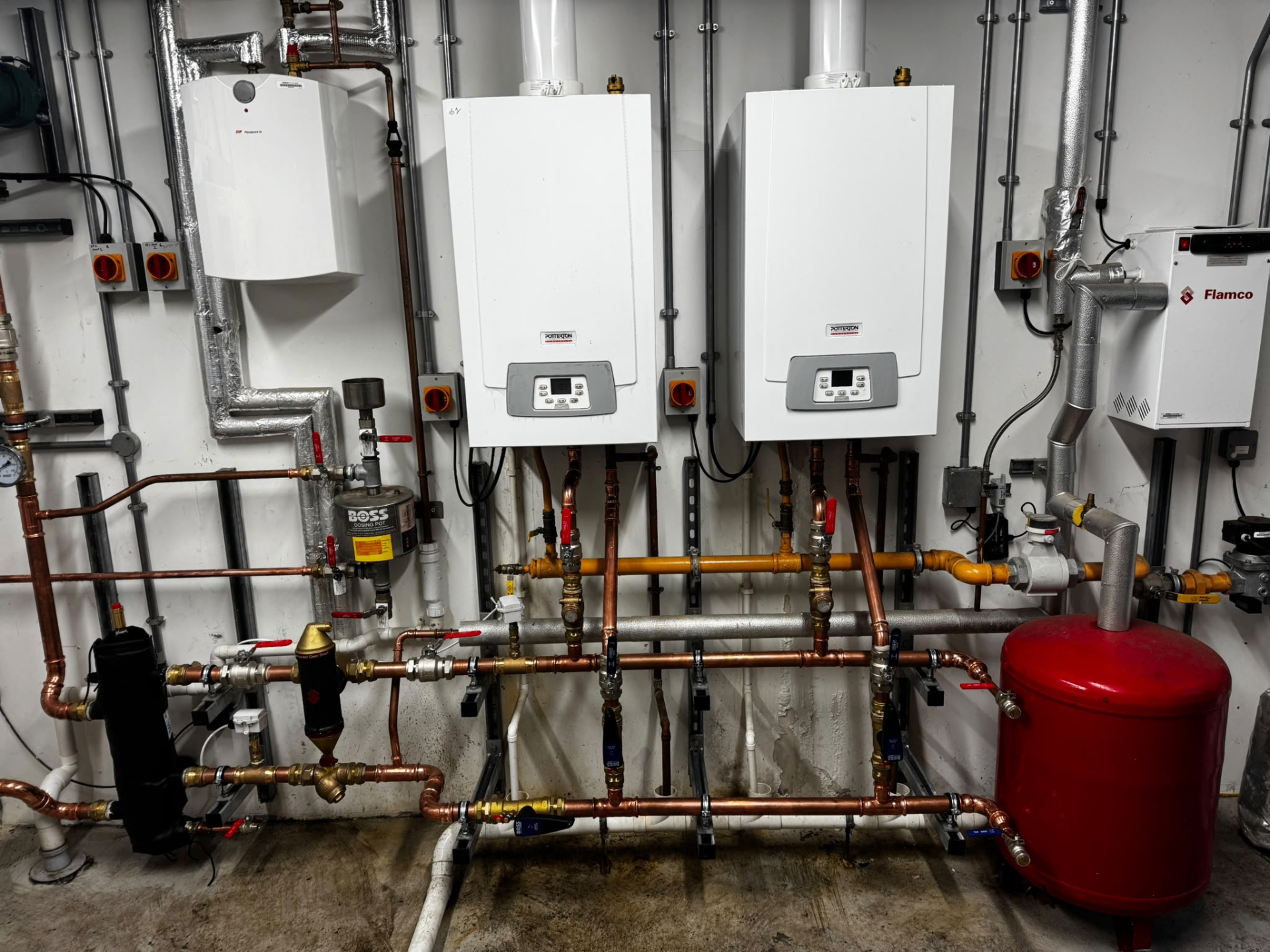
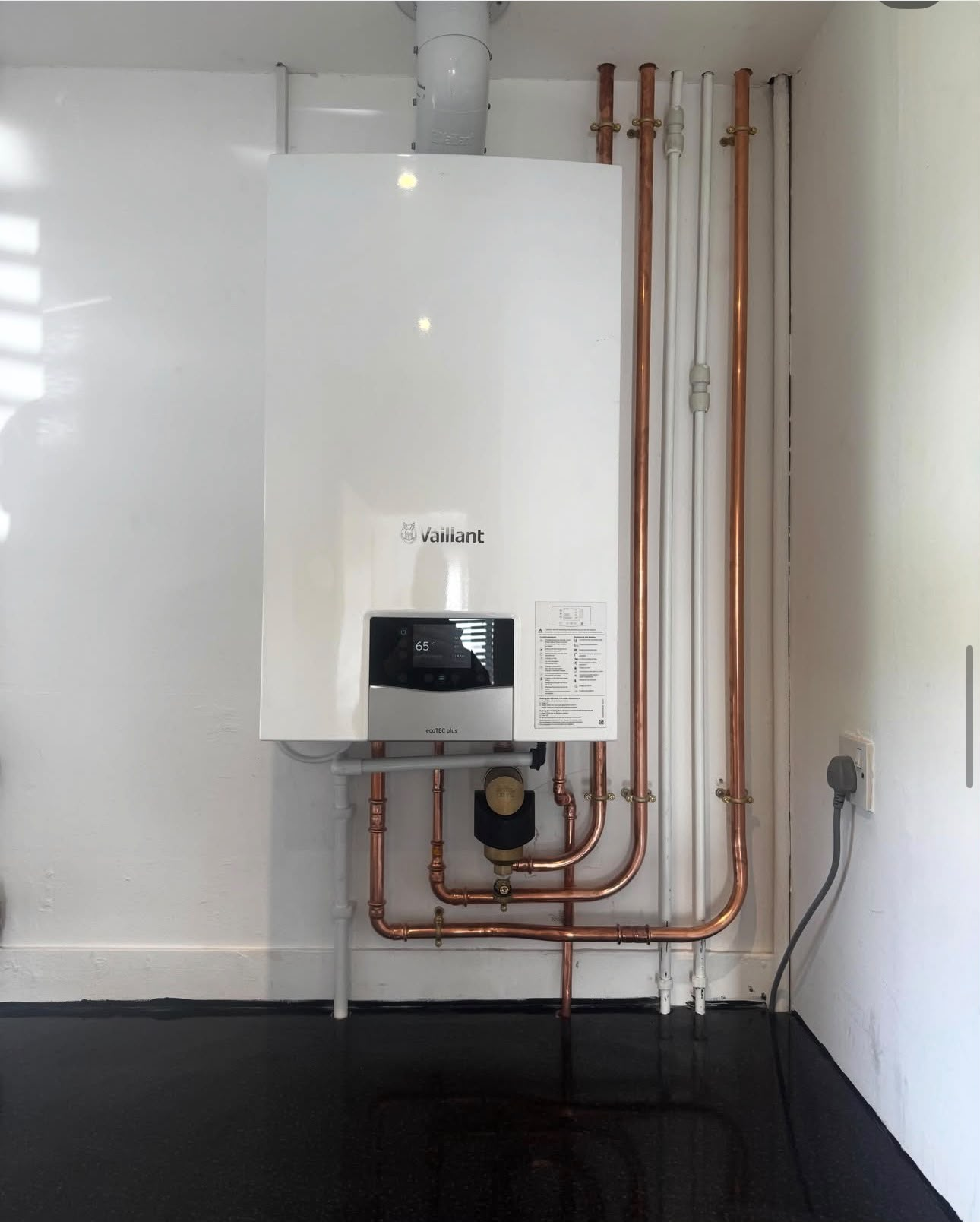
A single 500kW atmospheric boiler short-cycles all summer when the load drops to 60kW. A cascade of 4 × 150kW modulating condensing boilers fires only what the load demands, modulates down to 15% on each unit, and uses condensing latent heat recovery on the cool returns. The result, on a typical school or care home, is a 25–35% drop in gas use and a near-elimination of short-cycle lockouts.
Low-loss headers and hydraulic separation
Modern cascades need hydraulic separation, the boiler primary circuit runs at its own flow rate, the building secondary circuits run at theirs. A correctly sized low-loss header (or plate heat exchanger) decouples them, lets each pump do its job, and stops one heating zone starving another. Skipping this is the most common mistake on retrofit cascade installs.
Pre-commission flushing
New steel pipework arrives full of mill scale, flux and oil residue. Firing a new £20k cascade onto an unflushed system loads its heat exchangers with debris on day one. We pressure-test, chemically clean and power flush every new install (or new section), and dose to BSRIA BG 29 standards before handover.
Tightness testing & certified purging
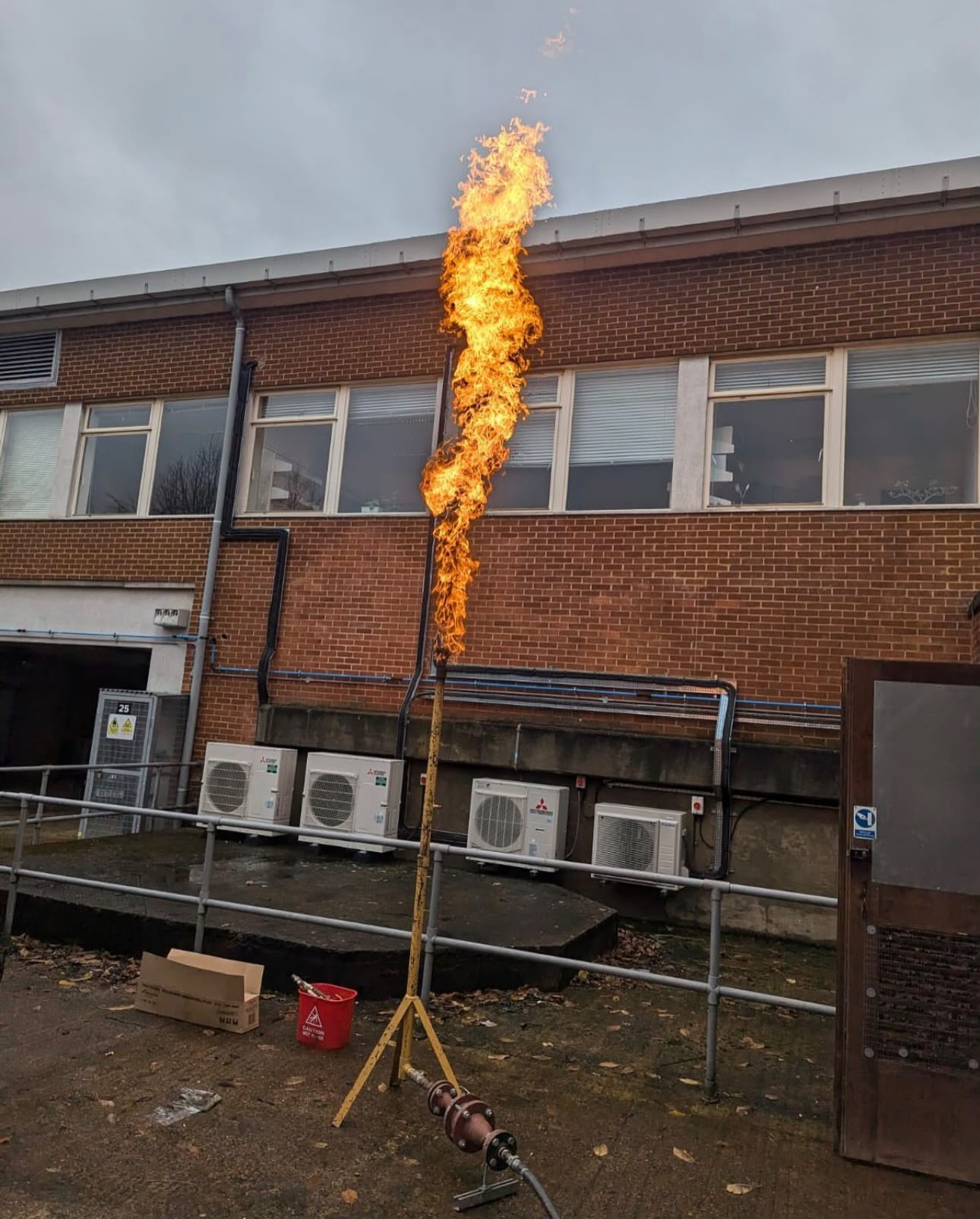
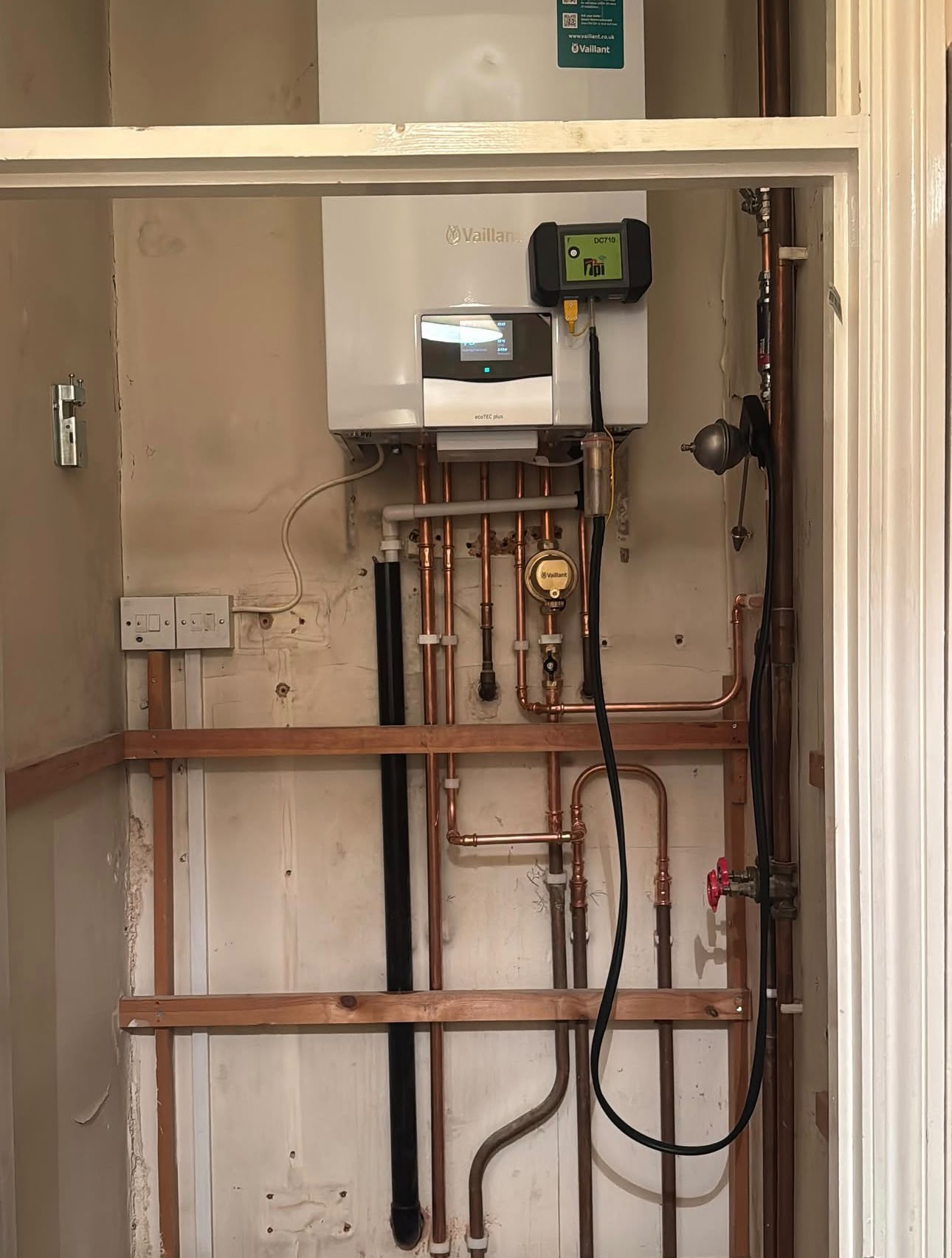
Every new or modified commercial gas install is tightness tested to IGEM/UP/1 (or UP/1B for medium pressure), with let-by checks, strength test where applicable, and purge volumes calculated against pipe internal volume. You get a signed, dated certificate, photographed gauge readings, and the figures lodged with our records for 7 years.
BMS integration & weather compensation
Plant kit without controls is half a system. We commission weather compensation curves against the actual building fabric, integrate the cascade with BMS (Trend, Honeywell, Cylon) via 0–10V or Modbus, and tune load-matching so the smallest possible boiler quantity fires for the actual demand. Most clients see another 8–12% gas saving from controls tuning alone, on top of the new plant.